I, too, once had that experience in design: working at a drafting board and drawing each line steadily and precisely. Working by hand and thinking on paper, I gradually built up the drawing. It reflected not only an engineer’s technical knowledge, but also experience and skill developed over time.
Then computers became commonplace, changing the way information was handled. CAD/CAM systems emerged, and analytical tools began to support calculations, transforming the way design work was carried out.
Whenever tools take on part of the work, the same question returns: Will the role of people become smaller?
My experience has been the opposite. New tools have expanded what people are capable of doing, but they have also changed what people are expected to do.
AI is part of this continuing evolution. As AI takes on more of the work, what role should people continue to play?

A design workspace from an era when drawings were created by hand at drafting boards.
As Work Changes, What Will People Do?
In 2025, the International Labour Organization (ILO) estimated that one in four workers worldwide is in an occupation potentially exposed to generative AI. After analyzing nearly 30,000 occupational tasks, the ILO concluded that because many occupations still include tasks requiring human involvement, transformation is more likely than the disappearance of entire jobs.
CAD can support the creation of drawings, but people still decide what to design. Analytical tools can produce numbers, but applying those results requires professional knowledge and experience. Real work also involves circumstances that data alone cannot fully capture: a customer’s situation, the environment in which equipment is used, and knowledge built up in the field.
As AI becomes more widely used, human judgment, expertise, and oversight become even more important. AI output must be compared with professional expertise, considered in context, and reviewed by people. I believe the human role is becoming less about doing everything by hand and more about applying expertise, using new tools effectively, judging the results, and turning them into value.
From Time Saved to Customer Value
AI is particularly well suited to routine, repetitive processing, such as organizing information, comparing documents, and identifying items that require attention. By supporting this work, AI can make it easier for people to redirect time to other priorities.
How we use that time matters more than the time saved. We can develop new products, listen more closely to customers, explore new markets, and devote more effort to complex challenges. Efficiency is only the starting point.
That is why customer needs must come first. When organizations consider adopting AI, the discussion can quickly turn to tools and features. Adoption itself can become the objective, or the number of tools in use can begin to look like a measure of success. But the practical question is simple: Which customer need are we trying to meet?
Faster product development may help us respond more quickly to change, while better service can help customers use products and equipment with greater confidence. The real value of AI is not in the tools we adopt, but in what we can deliver to our customers through products, services, and digital solutions.
The Power and Infrastructure Behind AI
Hitachi Industrial Equipment Systems supports the infrastructure that delivers reliable power to industry and society through power receiving and distribution systems, transformers, and power monitoring and control systems. That is why, when we consider the growing use of AI, we need to look not only at its potential, but also at the electricity and equipment that make it possible.
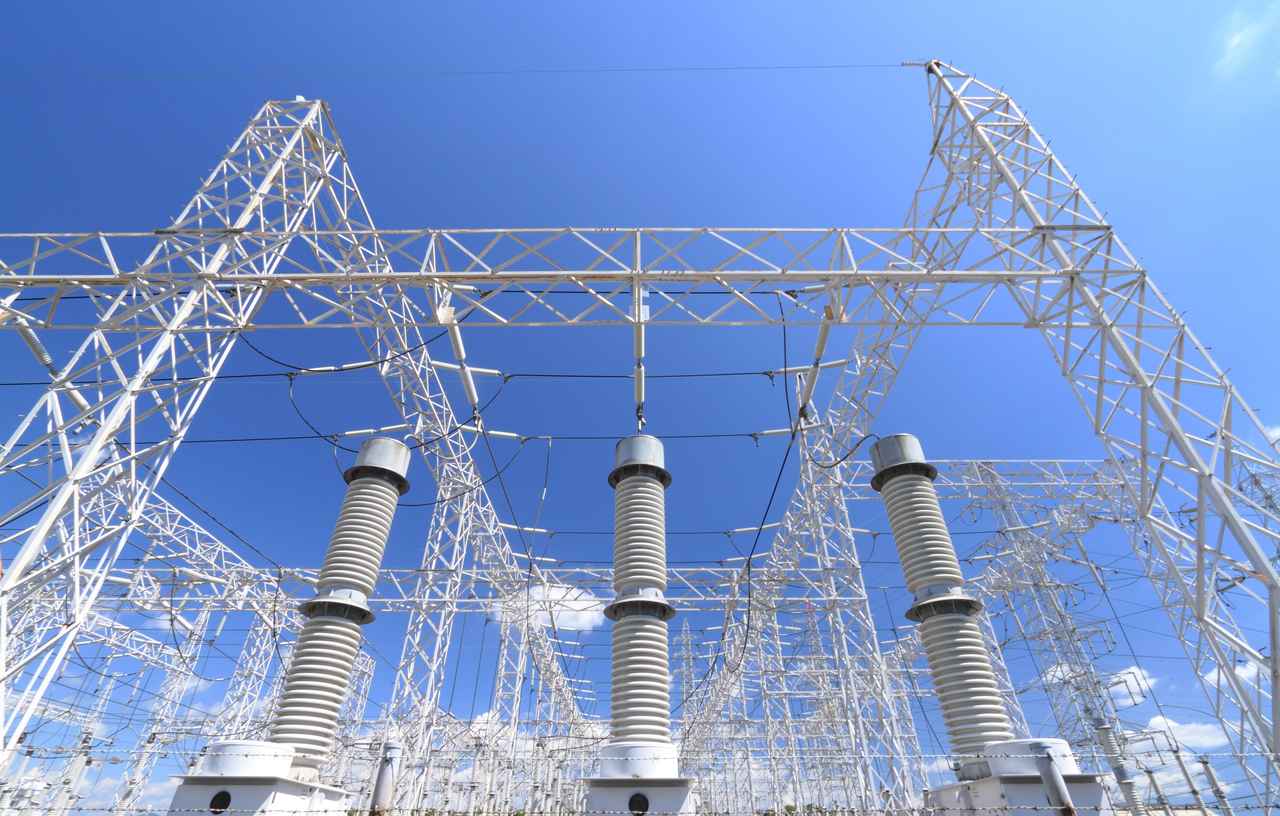
AI can appear to be an intangible technology that exists only on a screen. In reality, it depends on semiconductors, servers, networks, cooling systems, and electricity.
According to the International Energy Agency, global data center electricity consumption rose by 17% in 2025. By 2030, total demand is expected to roughly double, while demand from AI-focused data centers could nearly triple.
The IEA also notes that the supply of electrical equipment such as transformers, along with the infrastructure needed for grid connections, could constrain the expansion of data centers.
I believe responsible AI means using it ethically, responsibly, and in ways that benefit society.
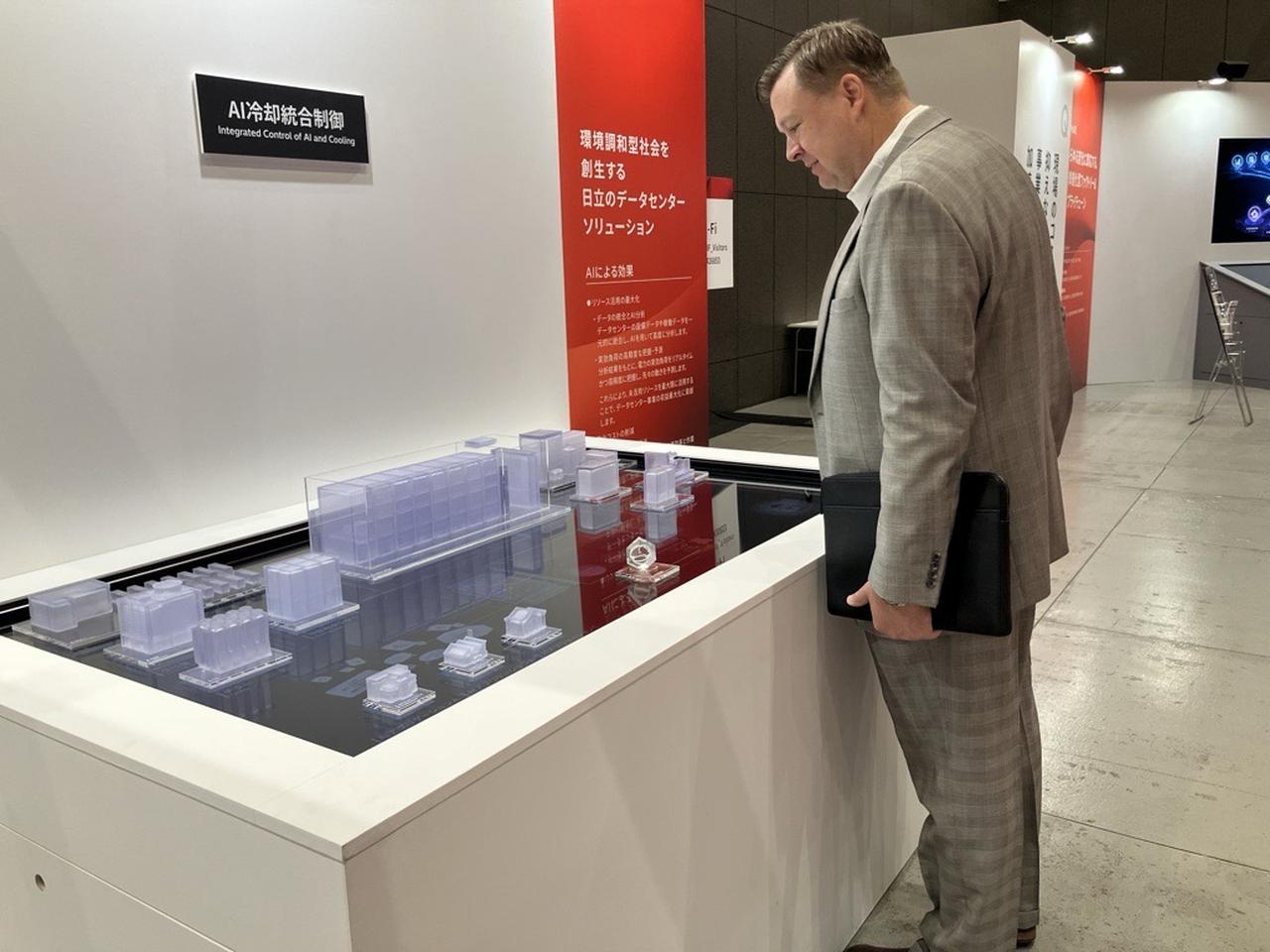
A Hitachi exhibit on data center solutions, including the integrated control of AI and cooling, at Hitachi Social Innovation Forum 2026 JAPAN
People Who Keep Learning Turn Tools into Value
CAD/CAM and analytical tools created value only after people learned how to use them, adapted them to the realities of the workplace, and built experience over time. The same is true for AI.
In a 2025 World Economic Forum survey of more than 1,000 companies across 55 economies, 63% identified skills gaps as a major barrier to business transformation, while 85% planned to prioritize workforce upskilling through 2030.
The knowledge people need will vary by role. Designers need to understand where AI can support the design process. Service teams need to interpret AI output through their knowledge of customers and equipment. Leaders need to be clear about purpose, expected outcomes, and the principles that must be protected.
Some challenges are visible only to the people who know the work firsthand. Evaluating AI output properly also depends on experience built within that field.
We do not need to begin with a sweeping transformation. We can start with a real challenge, test an approach, and learn from the results. By sharing what we discover, reviewing how work is done, and making the next improvement, we can turn AI from a new tool into a technology that strengthens the organization.
Introducing AI also means building the skills to use it well.
Turning AI’s Potential into Value
From drafting boards to computers, CAD/CAM systems, analytical tools, and now AI, our tools will continue to evolve, and so will the way we work. But no matter how advanced those tools become, it is people who turn their potential into value.
AI can expand what people are capable of doing. Our responsibility is to use that greater capability to create value for our customers, our employees, and society as a whole.
References
- Gmyrek, P. et al. (2025), “Generative AI and Jobs: A Refined Global Index of Occupational Exposure”, ILO Working Paper 140, International Labour Organization."
- International Energy Agency (2026), “Key Questions on Energy and AI”.
- World Economic Forum (2025), “The Future of Jobs Report 2025”.」
- Hitachi Industrial Equipment Systems Co., Ltd., “Power Receiving and Distribution Systems.”
- Hitachi Industrial Equipment Systems Co., Ltd., “Power Receiving and Control Systems.”
- Hitachi Industrial Equipment Systems Co., Ltd., “Transformers.”

John Randall
President & CEO, Hitachi Industrial Equipment Systems
John formerly served as President & CEO of Hitachi Global Air Power (formerly Sullair) for four years. Prior to that, he was President of Sullair Asia for more than two years, and Vice President of Global Engineering for Sullair for more than six years.