Reliability Beneath Sustainability
Reliability rarely dominates sustainability discussions. Yet when critical infrastructure fails, the consequences travel far beyond the factory floor—delayed deliveries, contractual strain, and erosion of trust across supply chains.Trust, once unsettled, subtly reshapes supply chain partnerships that may have taken years to build.
Sustainability reports may measure ambition. But when the systems beneath them prove unstable, those ambitions rest on fragile ground.
This fragility is rarely visible in strategy documents. It reveals itself on the factory floor. In precision manufacturing, reliability is embedded in systems that operate continuously and often invisibly. Compressed air system, for example, attracts little attention when functioning as expected. When instability emerges, however, its absence is felt immediately—across production schedules, quality assurance, and operational planning.
When Stability Is Assumed, Not Designed
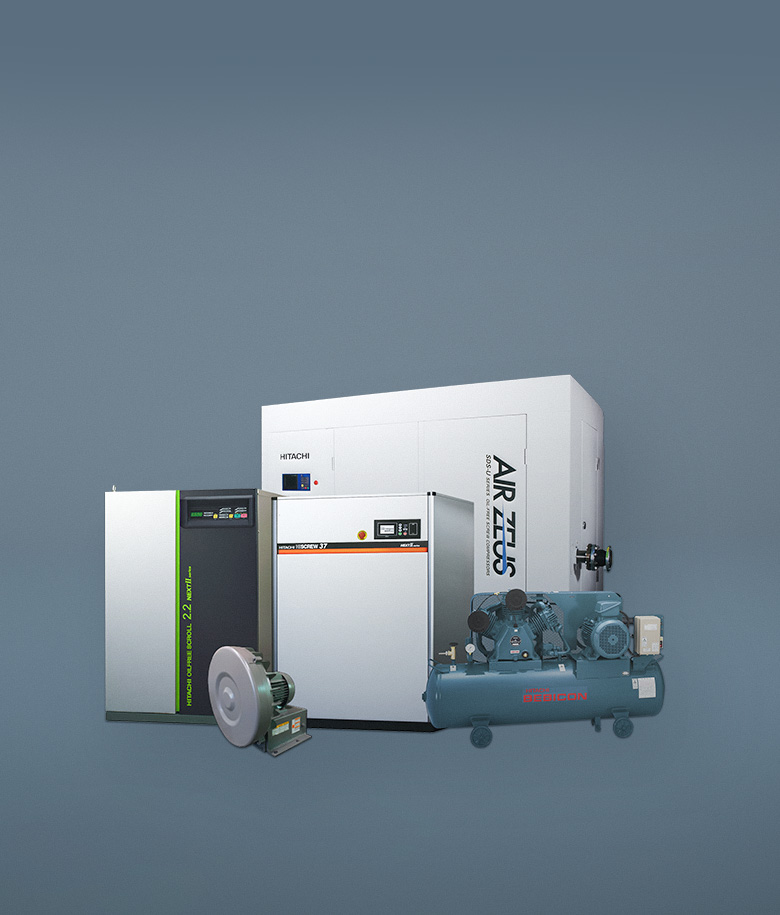
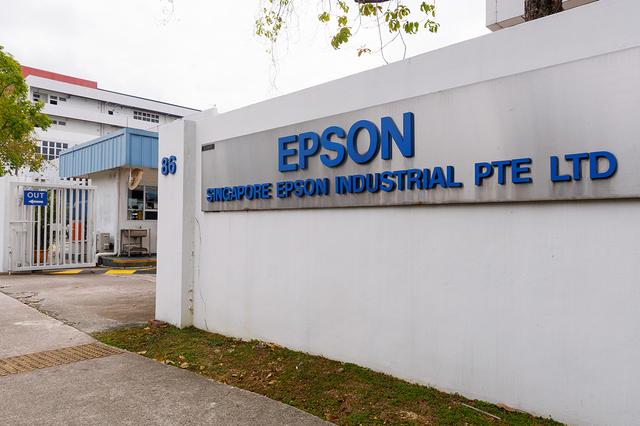
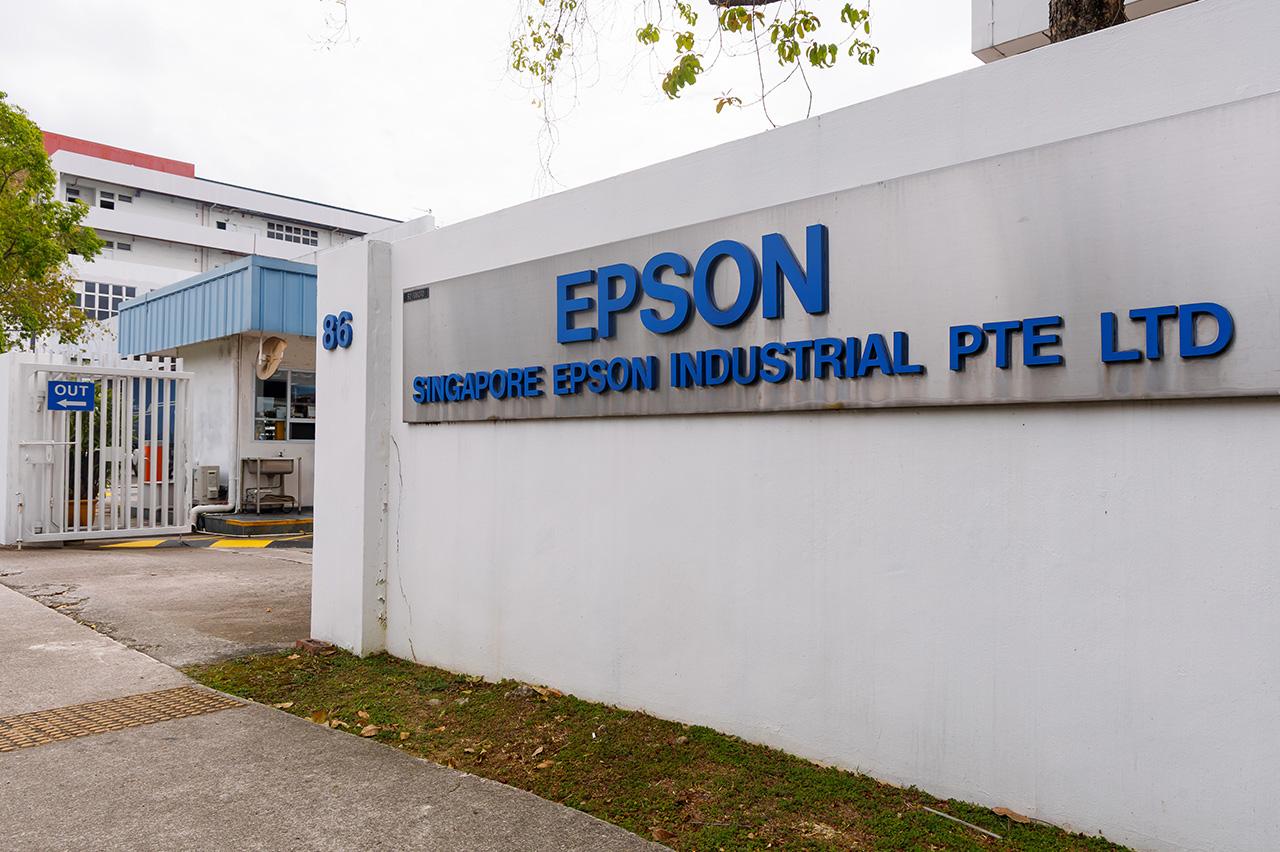
This fragility was not theoretical. Prior to the gradual transition to Hitachi compressors, at Singapore Epson Industrial—a precision electroplating facility producing electronic components for global and internal markets—compressor breakdowns in the compressed air occurred almost every month.
Production rarely stopped entirely—but operational stability was no longer assured. Pressure adjustments became routine. Troubleshooting calls were frequent. Contingency planning began to replace forward-looking improvement.
In precision component manufacturing, where surface integrity defines product performance, compressed air is foundational to quality and continuity.
What appeared to be recurring maintenance problems were, in fact, symptoms of structural design limitations.
Recurring instability did not simply create technical interruptions. It reshaped organizational behavior.
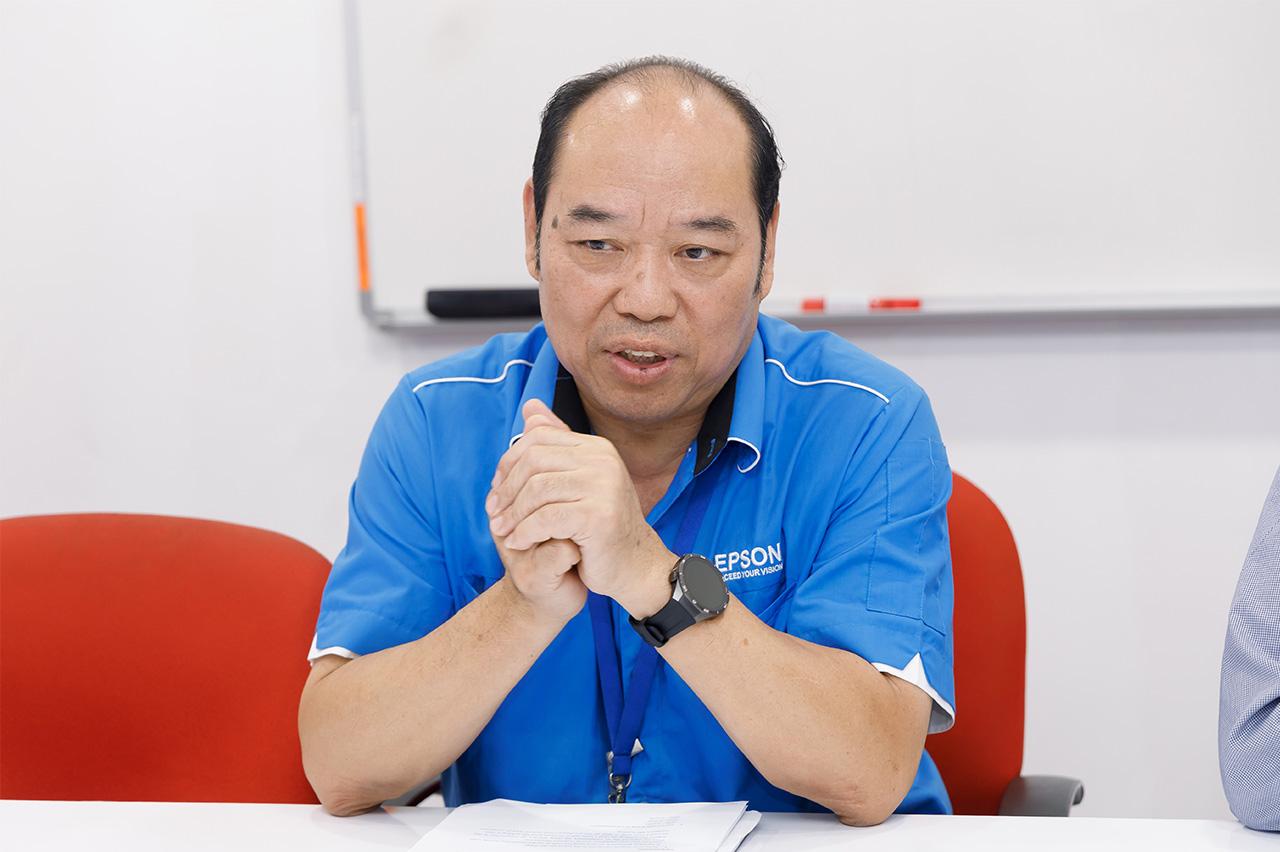
When teams operate under persistent risk of disruption, attention shifts from optimization to containment. Engineers become troubleshooters. Managers become reporters. Energy is diverted from long-term improvement toward short-term recovery. Over time, fragility becomes normalized.
Alignment as a Design Discipline
The response was not framed as a sustainability initiative. It was framed as a stability decision.
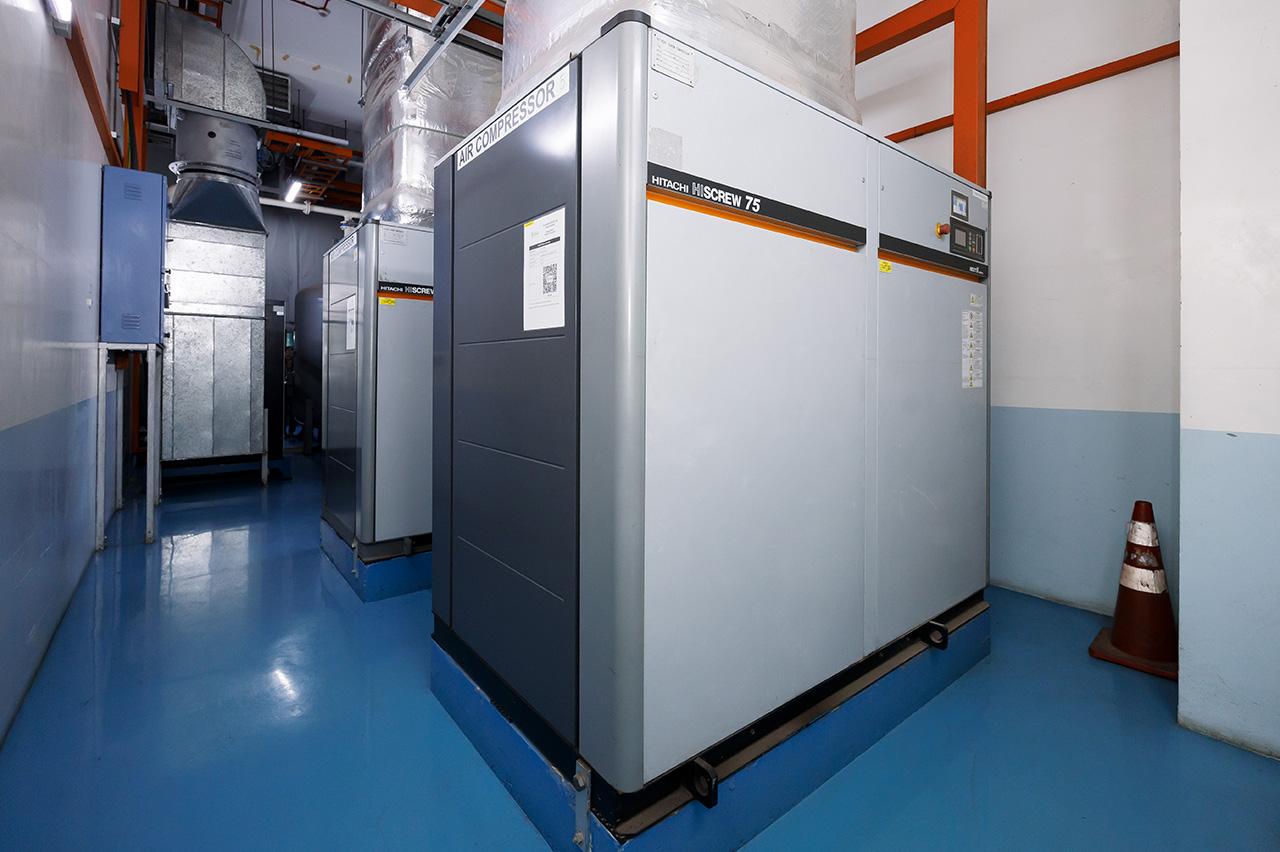
Working in close collaboration with Hitachi, the facility undertook a system-level reassessment. Rather than replacing equipment in isolation, the engineering team evaluated pressure demand patterns,
identified redundancy gaps, and redesigned compressor sequencing to reflect actual operational realities.
Inverter-driven systems were introduced to match flow and pressure more precisely to production needs. Monthly breakdowns withing the compressed air system disappeared. Operational uncertainty declined. Stability became predictable.
The redesign also addressed inefficiencies embedded in the previous configuration. High-pressure operation followed by pressure reduction had created inherent energy loss. By aligning pressure levels with actual process requirements, the facility reduced reliance on artificial throttling.
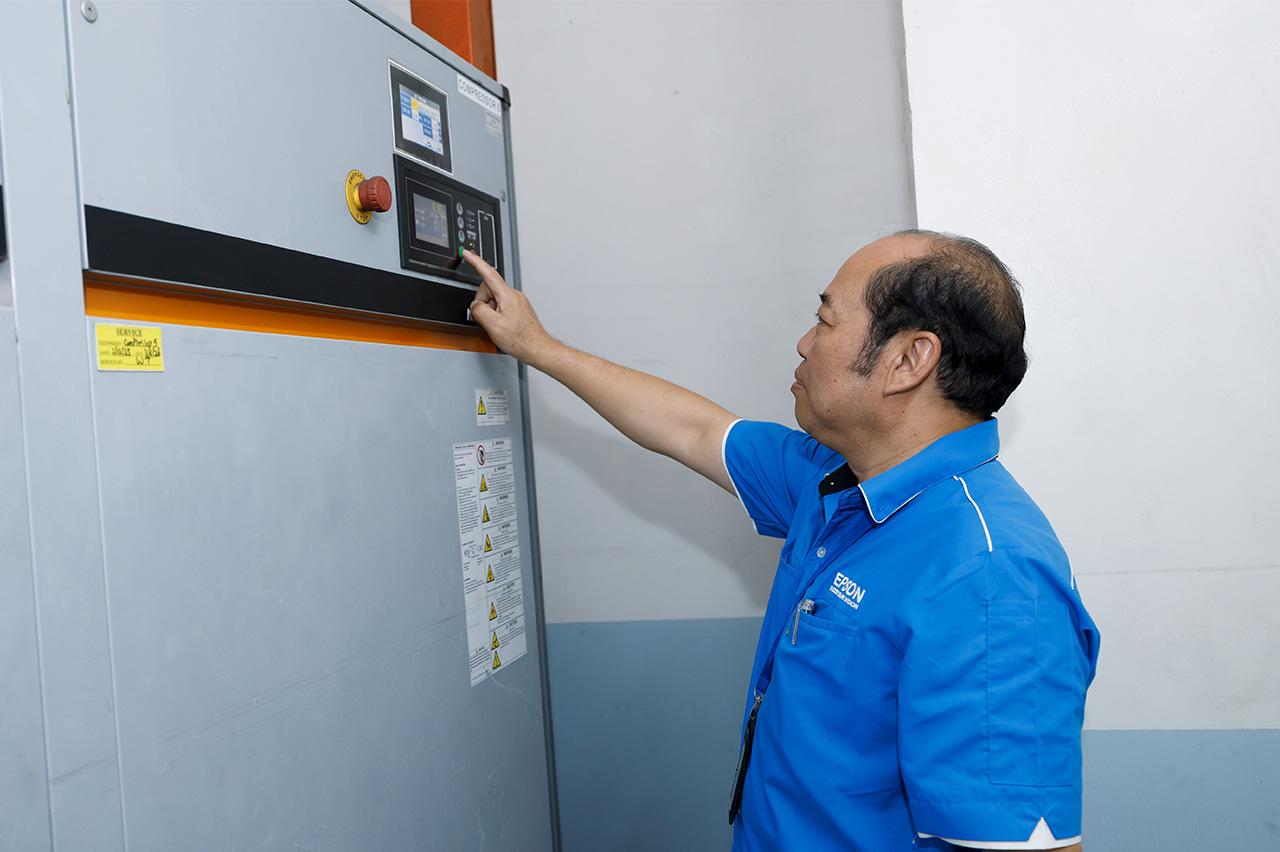
Energy efficiency improved as a consequence of structural alignment.
When system architecture reflects operational reality, efficiency emerges less from optimization campaigns and more from the removal of internal contradictions.
For a manufacturer operating under strong group-level expectations around energy performance and environmental stewardship, this alignment mattered.
Designing What Must Hold
In industries where supply chains stretch across borders and delivery timelines are tightly integrated, operational stability becomes a competitive differentiator.
Customers rarely see compressed air systems. What they experience instead is reliability—on-time delivery, consistent quality, and confidence in partnership.
When industrial infrastructure holds, trust accumulates quietly. Over time, that trust becomes a form of market strength.
Sustainability is often discussed through ambition—targets, commitments, and forward-looking
declarations. Yet ambition alone does not sustain industry. Infrastructure does.
When structural limitations are identified and corrected rather than worked around, reliability becomes structural. Energy efficiency, reduced waste, and responsible resource use follow naturally from that stability.
Designing infrastructure that holds is therefore more than an engineering decision. It is a commitment to sustainable industrial operations.
The question for industrial leadership is not whether to pursue sustainability, but whether the infrastructure beneath those commitments is designed to hold.
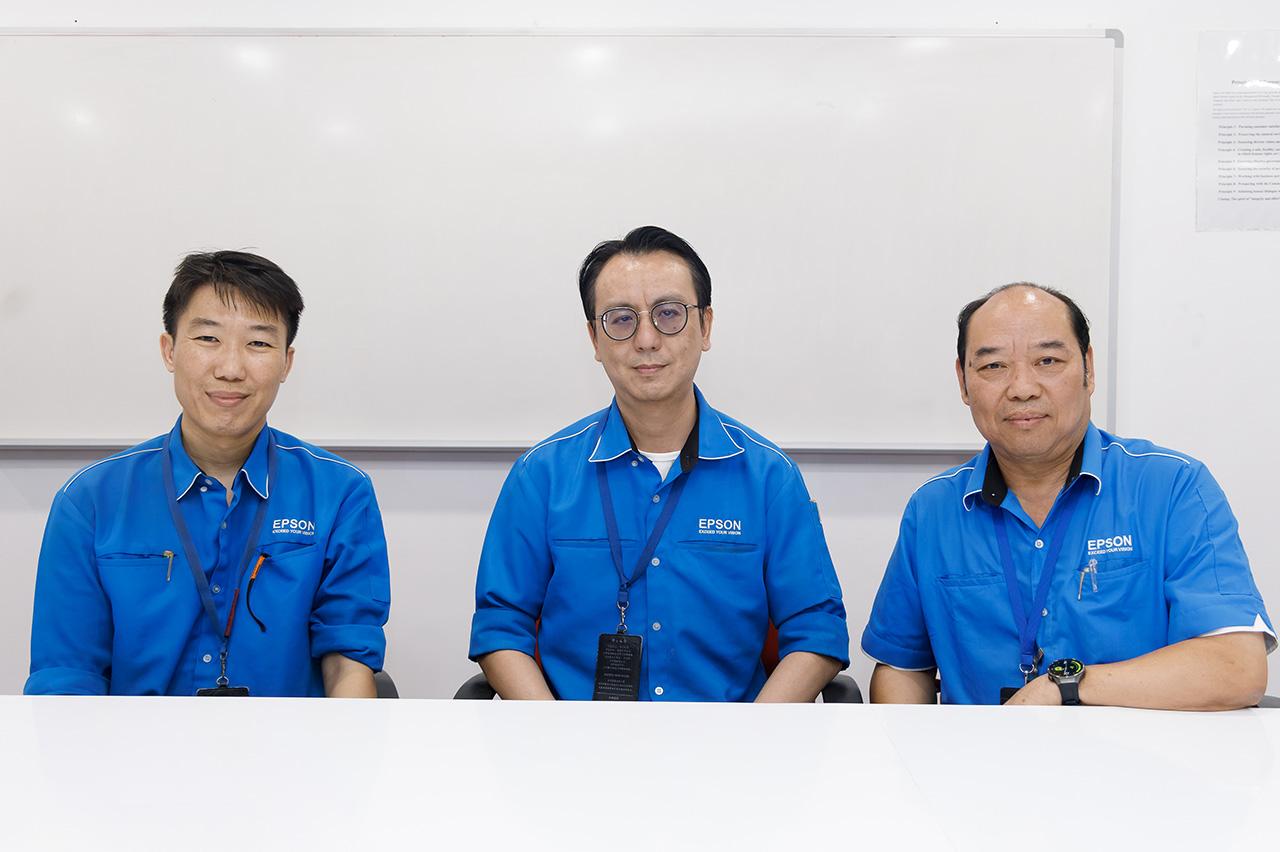
Executive Supervisor: Lok Shou Mun, Facility Dept. manager: Choong Mun Choon, Senior Principal Engineer: Li Guojin (from left)
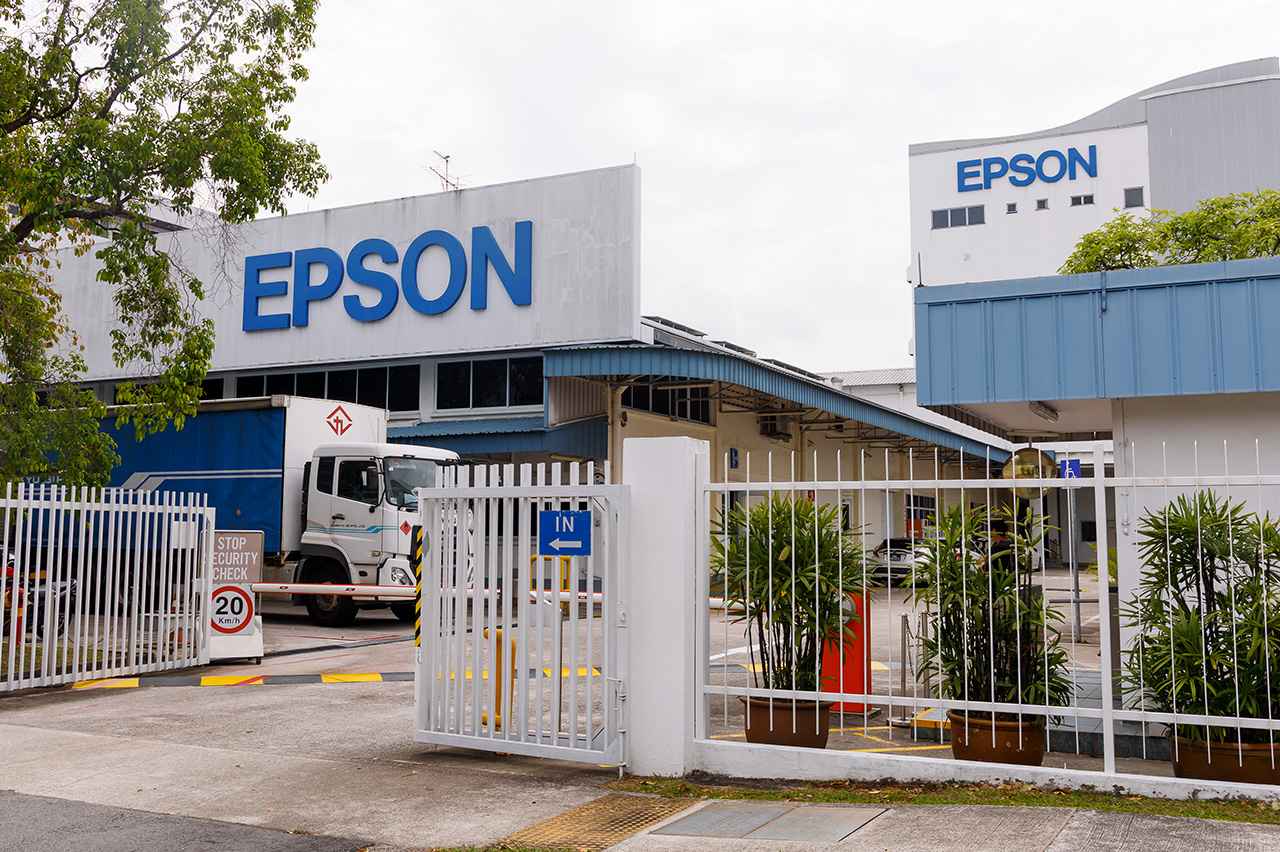
Singapore Epson Industrial Pte Ltd (Plating Plant)
The company delivers advanced plating and surface engineering solutions for a wide range of industries, including aerospace, automotive, electronics, medical devices, and semiconductors. It also prioritizes sustainability by adopting innovative environmental technologies—such as wastewater recycling, chemical reuse systems, and solar energy regeneration—to ensure efficient and eco‑friendly operations.
Learn more about air compressor systems from Hitachi Industrial Equipment Systems.