The Numbers Didn’t Add Up
Equipment was running, the floor was dry, and operations looked entirely normal—nothing, on the surface, suggested a problem.
Yet when staff at the Narashino Factory (Chiba Prefecture, Japan) compared municipal billing data against their own meter readings, a gap of more than 500m³ per month appeared. It wasn’t dismissed as noise. It became a question worth pursuing.
This is how Non‑Revenue Water (NRW) often looks in practice—not a dramatic incident, but a quiet, persistent gap in the numbers.
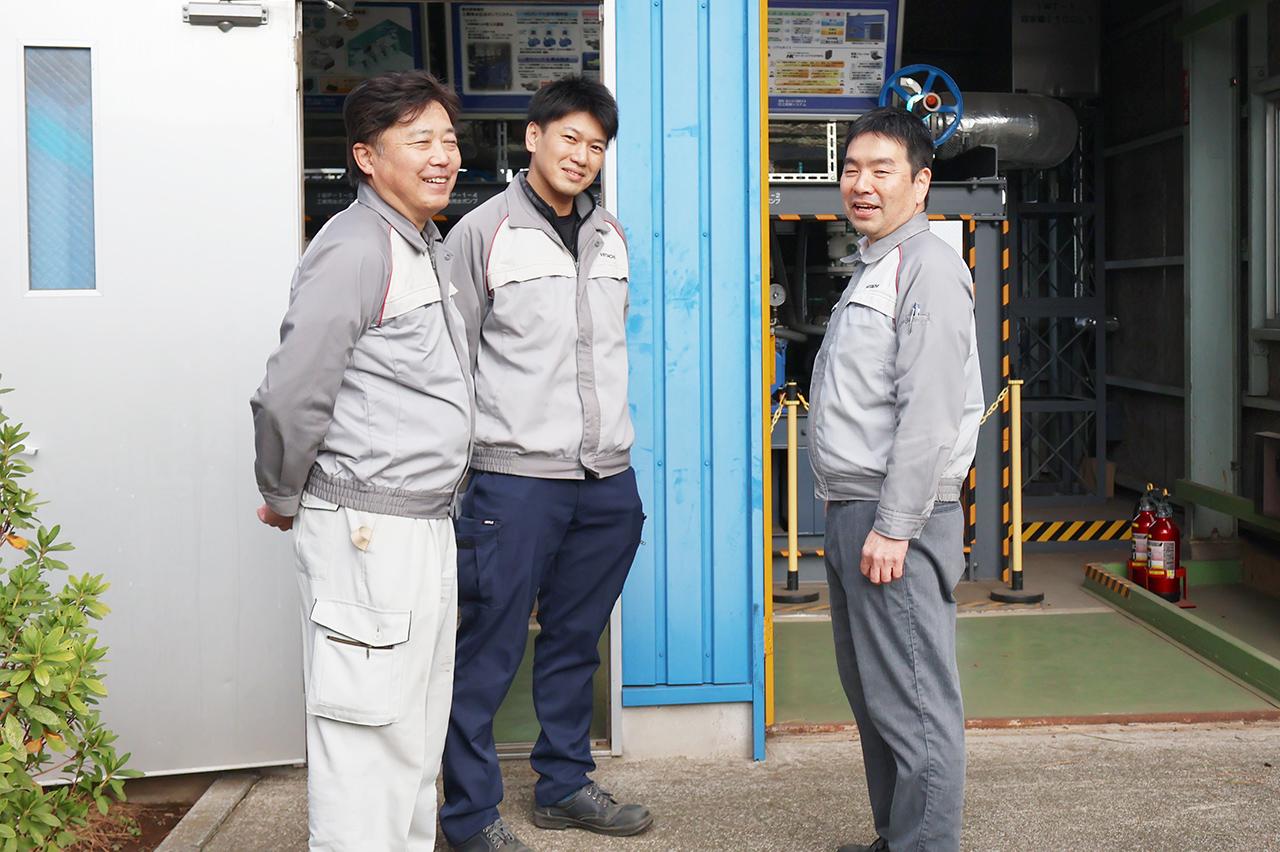
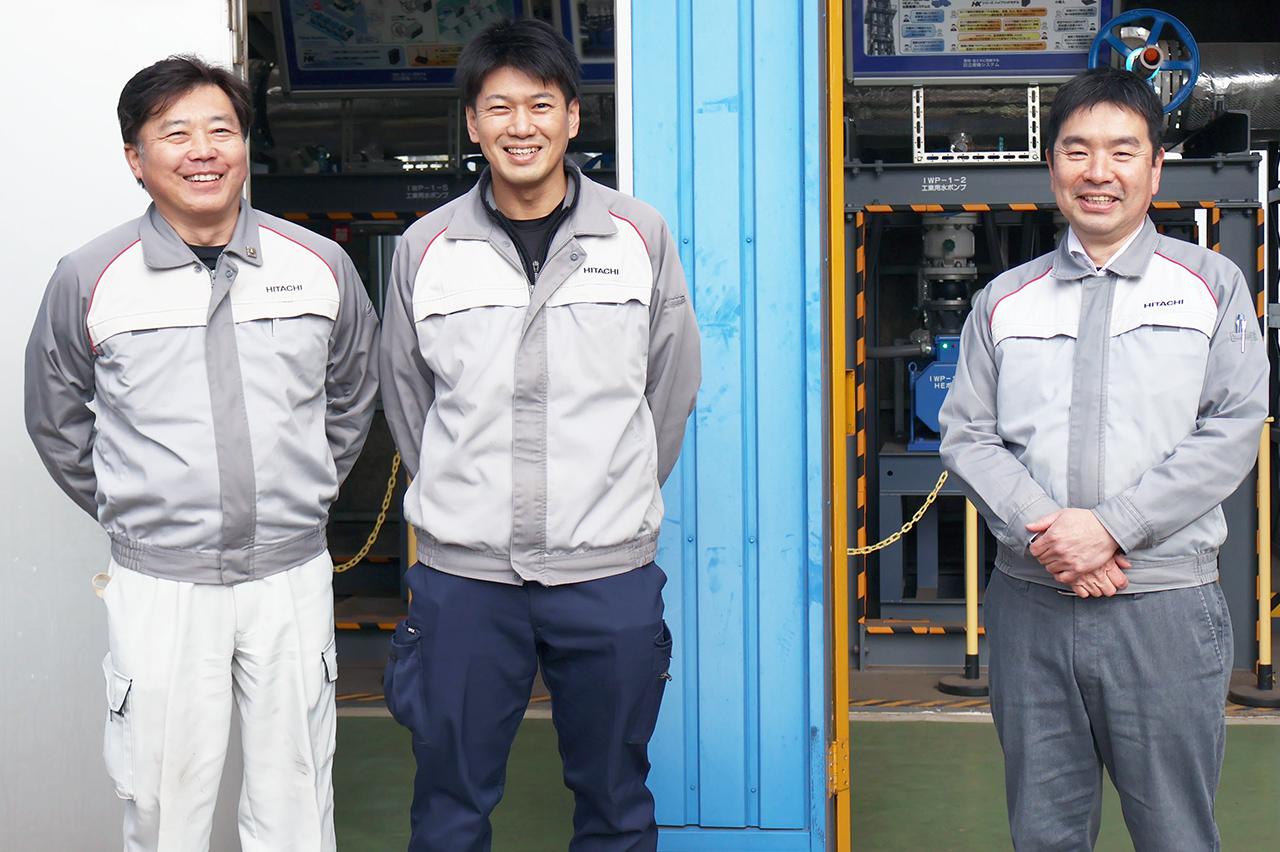
Saito, Nishiguchi, and Kuse of the Environmental ControlCenter at the Narashino Factory (from left).
Why the Quiet Gap Matters
As water risk becomes part of discussions on geopolitics and supply chain resilience, the way water is used inside manufacturing sites is under sharper scrutiny. Like energy and raw materials, water is foundational to stable operations. Precisely because it is used every day, losses accumulate before anyone notices.
NRW—water supplied but never accounted for due to leakage, metering inaccuracies, or unauthorized use—remains significant. In certain reporting years, the World Bank’s IBNET database shows median NRW rates around 30% among participating utilities. In England and Wales, leakage is estimated at roughly 3 billion liters per day—about 1.1 trillion liters annually.
The challenge isn’t the dramatic rupture that makes headlines; it’s the long accumulation that comes
before it.
This dynamic is not limited to public networks. Inside factories, daily flows and operational routines make irregularities easy to overlook. As water scarcity grows more tangible across industries, the risk is not only running short—it is losing water without realizing it.
From Targets to Daily Practice
In pursuit of a nature‑positive future, the Hitachi Group recognizes water as natural capital. Under its long‑term environmental vision, Hitachi Environmental Innovation 2050, the Group targets a 10% reduction in water consumption by FY2030 versus FY2019.
But such targets only gain meaning through daily practice—the habit of comparing changes over time and treating even small deviations as signals worth investigating.
The case at the Narashino Factory emerged from precisely this habit.
A System That Enabled the Right Questions
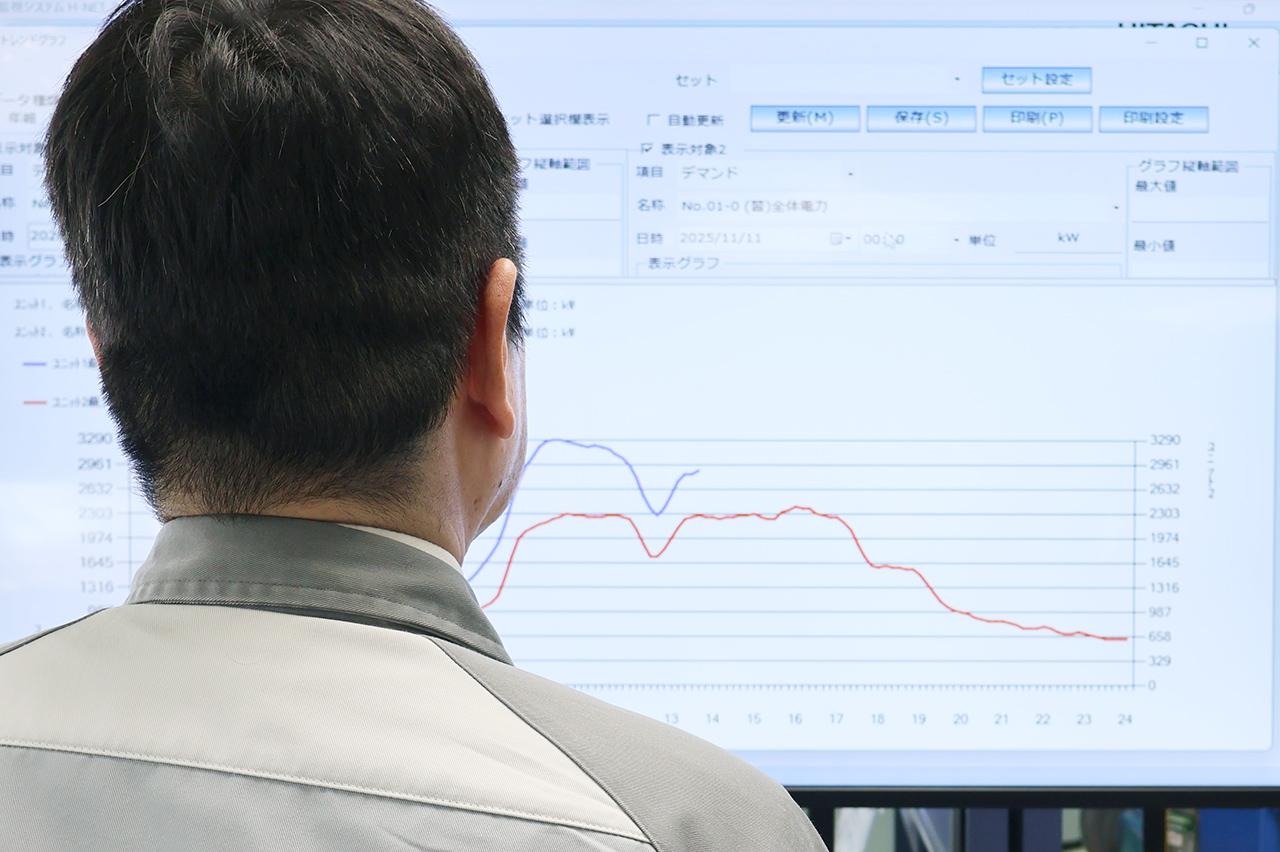
Utility monitoring at Narashino is supported by H‑NET, an integrated energy and utility management
system that centralizes data visualization and trend analysis across the site.
H‑NET generated no alert, and no automated message flagged a problem. What it offered instead was less dramatic but more useful: a consistent,unbroken record of how utilities behaved across shifts, weekends, and seasons—one that staff reviewed as part of their normal operations.
Over weeks and months, a pattern took shape that didn’t align with historical trends: water consumption was not dropping during nighttime and holiday periods.
The system did not give the answer. But it created the conditions in which the right question could be
asked.
Beyond water, Narashino also layers data on compressed air, steam, ambient temperature, and other
utilities to build a broader operational baseline—supporting ongoing PDCA‑based improvement cycles.
Acting Before Certainty—What the Team Found
At this stage, leakage could not be confirmed. Portions of the piping network ran underground.
Investigation would require time, physical effort, and might reveal nothing.
Nevertheless, the team proceeded. The team inspected approximately 380 meters of piping, without
visible surface water to guide them.
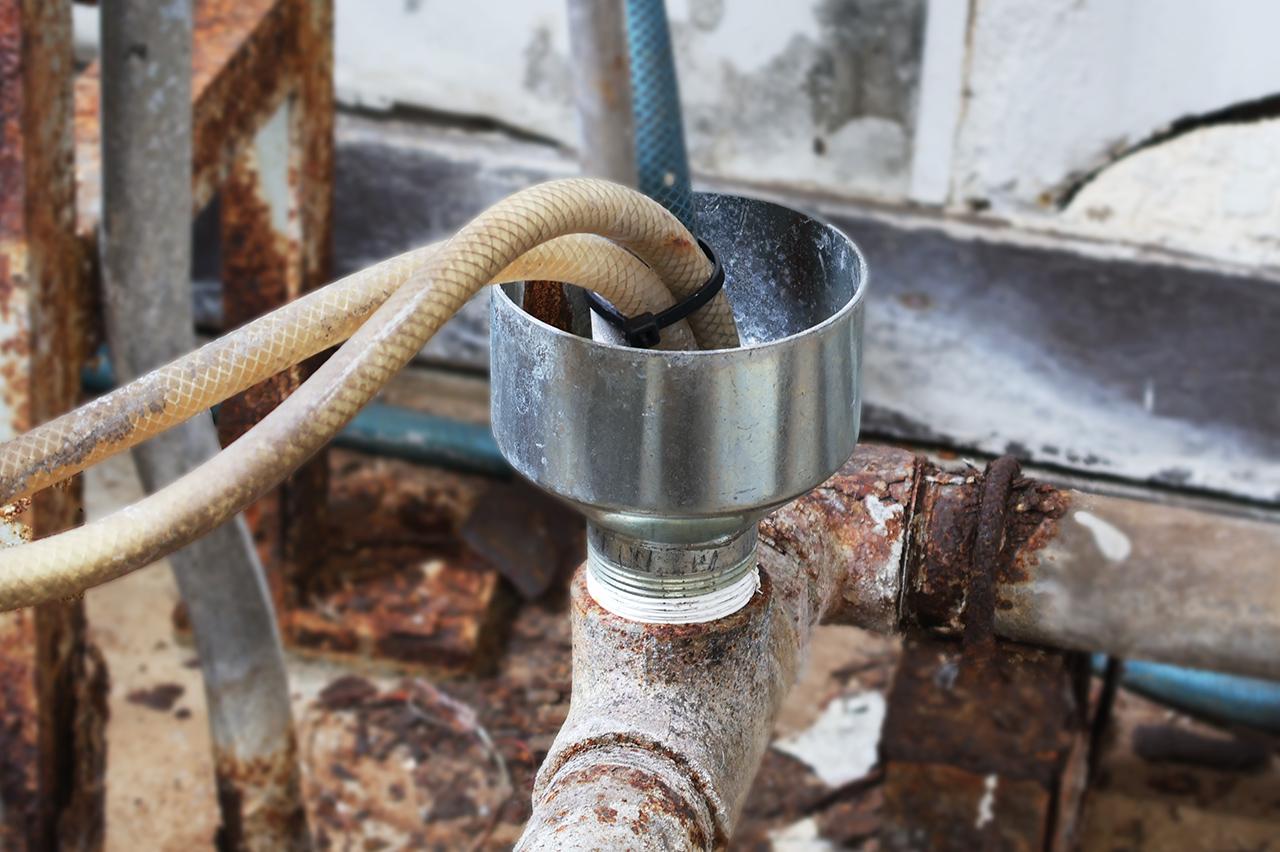
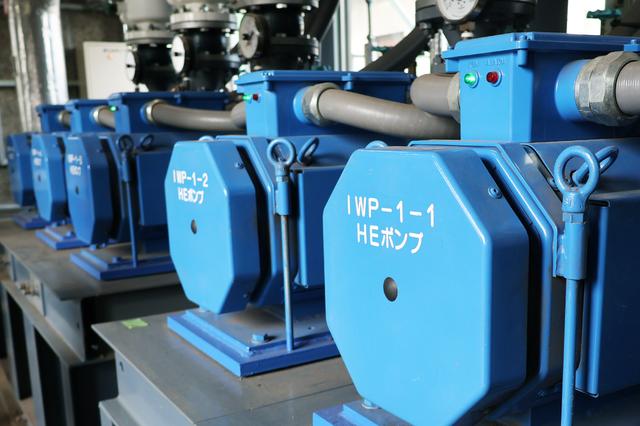
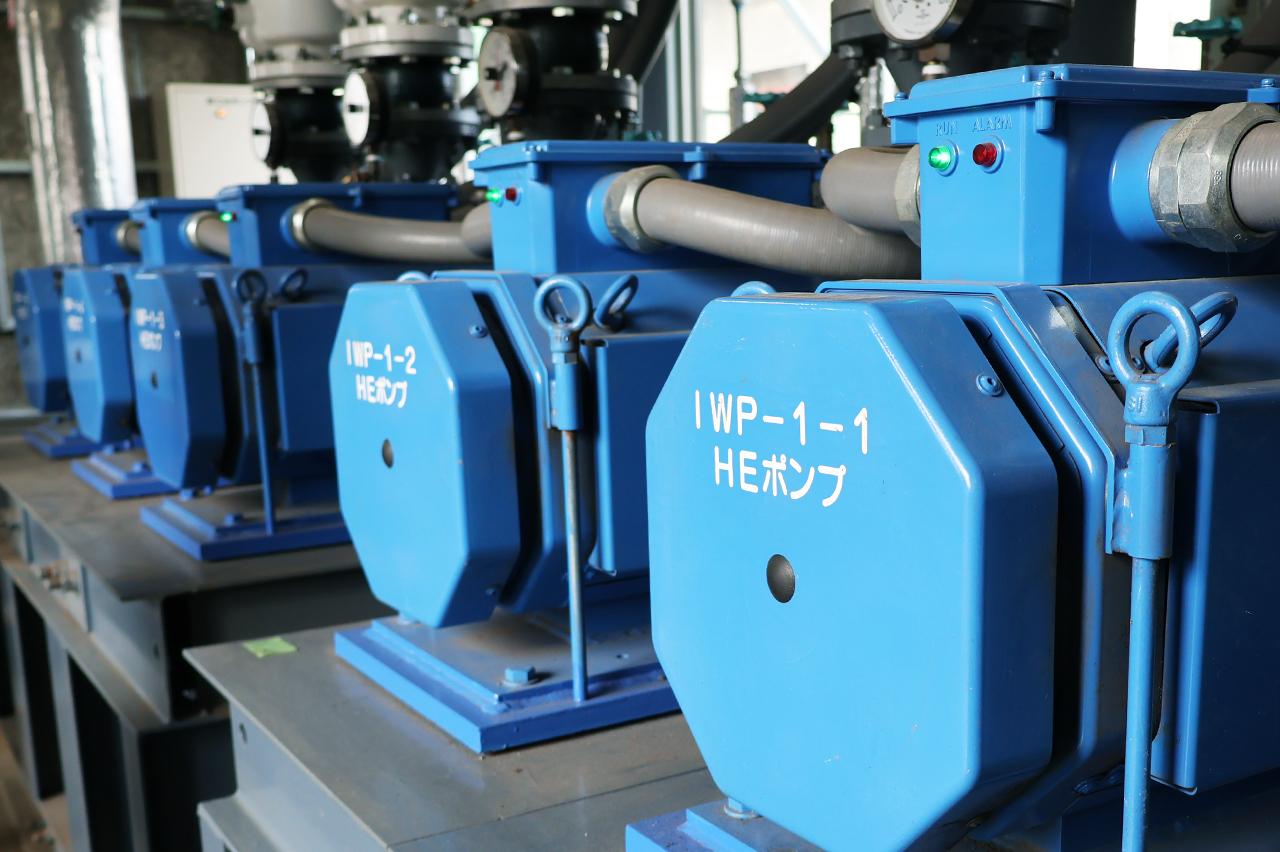
A section of the priming tank from which drain water was continuously discharged.
During a walkthrough, a member discovered continuous drainage from a disused priming tank in the pump room. It was stopped immediately. Continuing along the piping route, a faint hissing sound near an unused pipe section led the team to excavate.
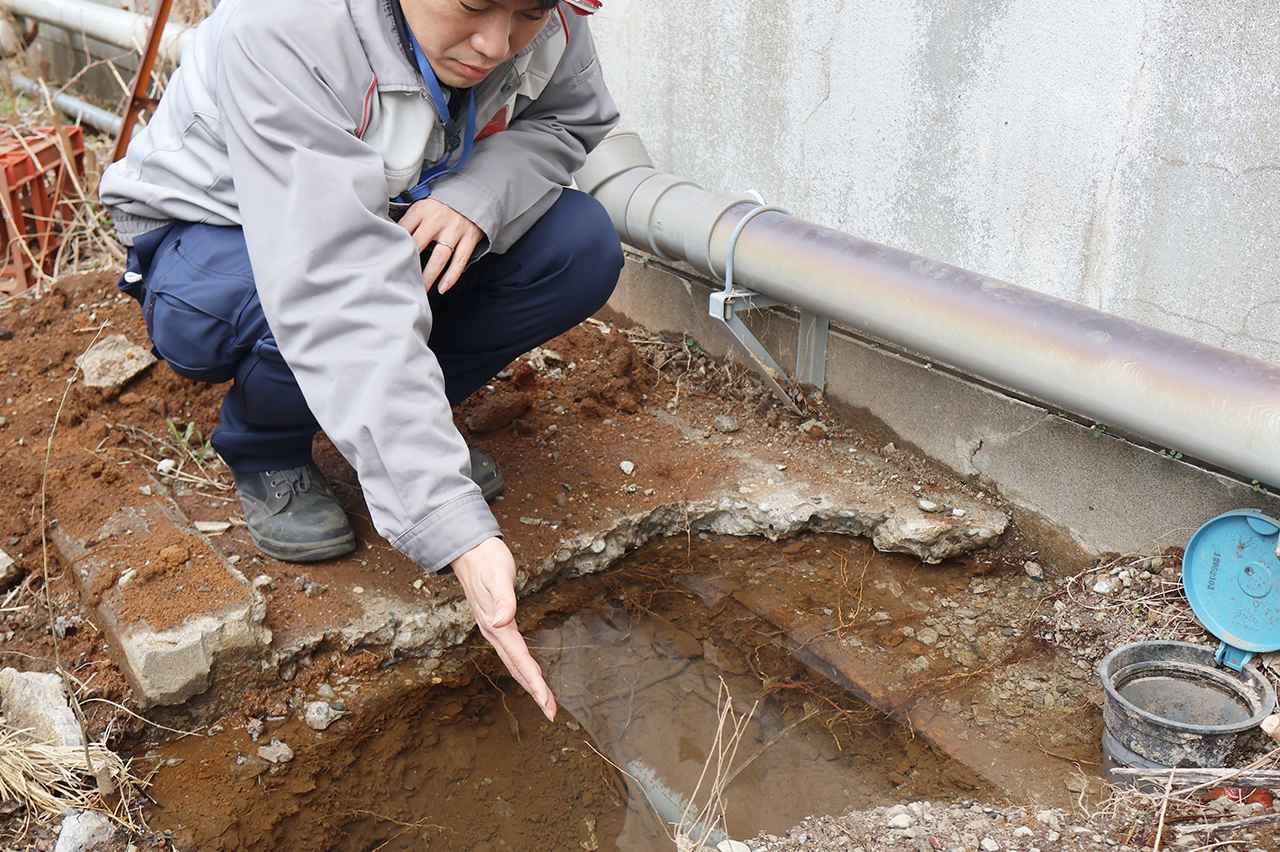
The location where leakage from a buried pipe was identified.
Approximately one meter below ground, they uncovered a leaking buried pipe. It was repaired on the spot.
Result: A verified reduction of ~520m³ per month in potable water consumption. Additional potential leakage points in related systems have since been identified, and investigations continue.
What Made the Difference Was Not the System—It Was the Practice
This response did not begin with new equipment, specialized AI, or a large‑scale project.
It began with how an existing system was used every day.
Digital tools help teams see patterns, but the decision to investigate still depends on people.
The decision to act remains human. The discipline to investigate small inconsistencies is organizational. That is what makes the practice, not the system, worth building.
Can We Detect Loss Before It Becomes Visible?
NRW is difficult to recognize until it surfaces. But as global water constraints intensify, every
manufacturing site faces the same question:
Can we catch loss before it becomes a problem?
Having data is not enough.
Having systems is not enough.
What matters is whether an organization:
- notices subtle changes in its daily baseline,
- takes small inconsistencies seriously, and
- embeds the habit of checking into its ordinary way of working.
Sustained attention, not alarms or technology alone, may be what responsible water management truly looks like in modern manufacturing.
Source