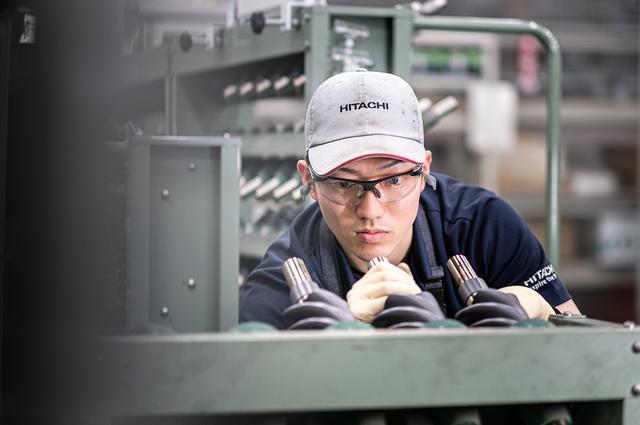
After spending most of my career in engineering and operations, I’ve learned some of the best solutions and insights in manufacturing don’t come from sitting behind a desk. They come from being where the work of production happens.
Early in my career as an engineer, I spent countless hours on the shop floor, learning from operators, maintenance techs, and manufacturing engineers who lived and breathed our industrial processes. I learned a lot from those shop floor experiences, so much so, they shape the kind of leader I am today.
In manufacturing, leadership isn’t just about setting direction and policy from a conference room. It’s about being present, seeing the work, understanding the challenges and connecting with the people doing the job every day. Maybe it’s that background in engineering, but I’ve learned that problems are sometimes solved by digging directly into them and meeting in person with the people responsible for process and quality. The opportunity to see, hear and understand what’s really going on is simply too valuable to ignore.
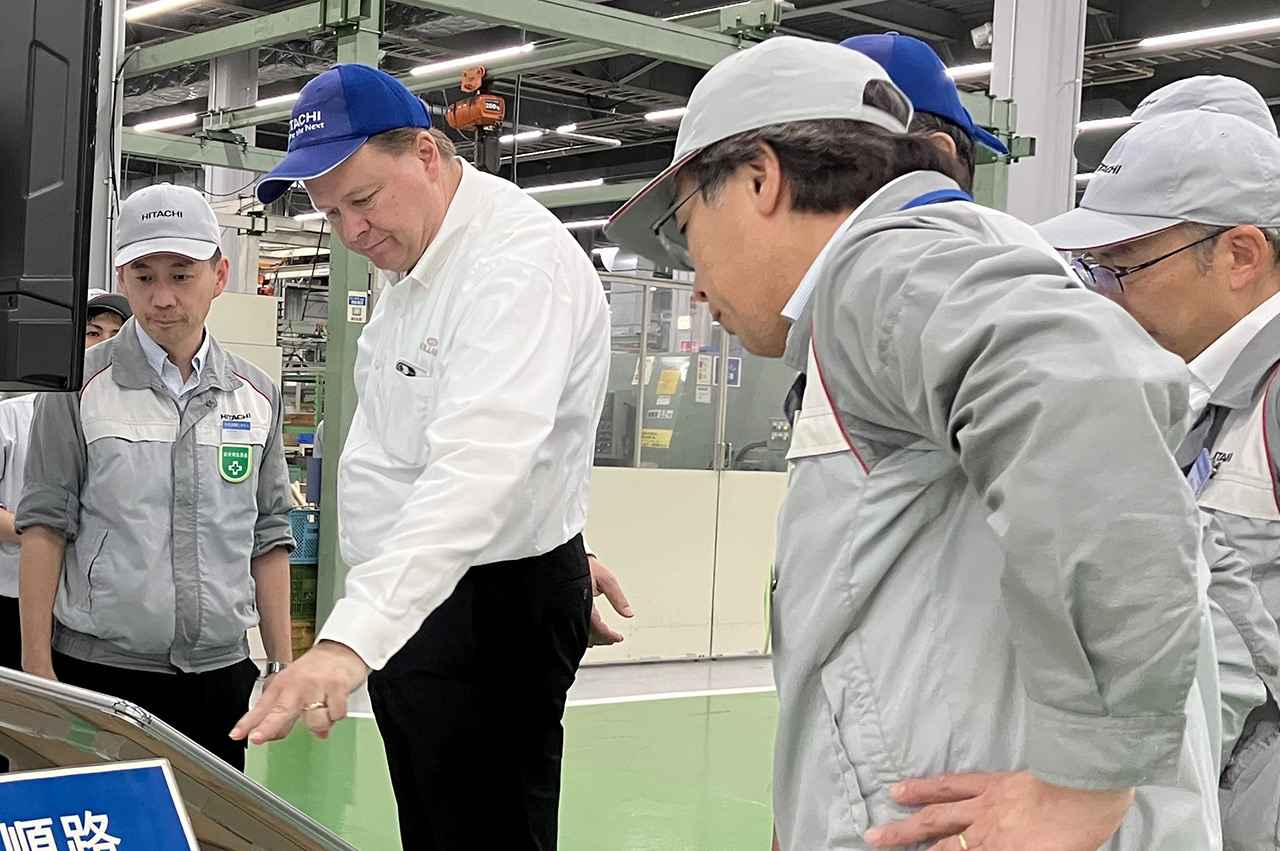
That’s why I’m a big proponent of hands-on leadership in manufacturing. By that, I mean spending quality face-to-face time on site and in the trenches where your products are built. This can take many forms - from town halls and plant visits, to informal conversations with colleagues on the shop floor. I’ve found I learn the most by walking the floor and hearing directly from the people doing the work than from a static spreadsheet or monthly report. Those in-person conversations help me gain better perspective on what’s really happening in production and ultimately help me with decision-making.
And while senior leadership should lead by example, these efforts shouldn’t be limited to the executive team. Multiple functions across the organization benefit from being on site. Procurement teams, for example, gain a clearer understanding of how their inventory decisions affect operations, while customer service leaders can better grasp what drives delays and develop a deeper appreciation for quality control processes.
It is seeing and understanding these real-life nuances that can ignite real innovation. When you’re on the shop floor, you spot opportunities to make things easier, safer, or more efficient. You get a better sense of what’s working and what isn’t. And, if you can build relationships with your shop floor employees, you can often learn the subtle challenges they face that will help you help them.
In Japanese manufacturing, there’s a term for this: Gemba – “the real place.” It’s the idea that to truly understand, you have to go to the source. The same philosophy underpins many modern approaches to leadership and continuous improvement. A McKinsey & Company article by Alison Jenkins on Advancing Manufacturing Leadership describes this mindset in practice – encouraging leaders to ask questions rather than provide answers, and to dig for root causes of problems rather than settling for quick fixes. As Jenkins notes, when problems aren’t fully solved, they inevitably return. It’s hard to dig for those root causes if your only exposure is through a PowerPoint in your office.
Equally important is how we lead once we’re on location. Hands-on leadership is not the same as micromanagement. As Forbes contributor Scott Arpajian writes in his article, “Sleeves Up, Hands-On: Get Involved When You Lead,” effective leaders stay connected and involved – soliciting feedback, earning buy-in, and offering thoughtful input – but they know when to step back and let their teams execute. Getting too involved can stifle creativity; empowering people to own their work builds trust and drives innovation.
At the heart of all this, however, is the people. In my experience, these face-to-face interactions are not only enjoyable, they are also most powerful when done sincerely and often. They reinforce something fundamental – respect for people. We talk about it in our values, and tout it on our websites, but to truly live respect, you have to show action. Meet your colleagues across all levels of the organization - listen to their ideas and learn from their wisdom – do those two things and you will always win as an organization.
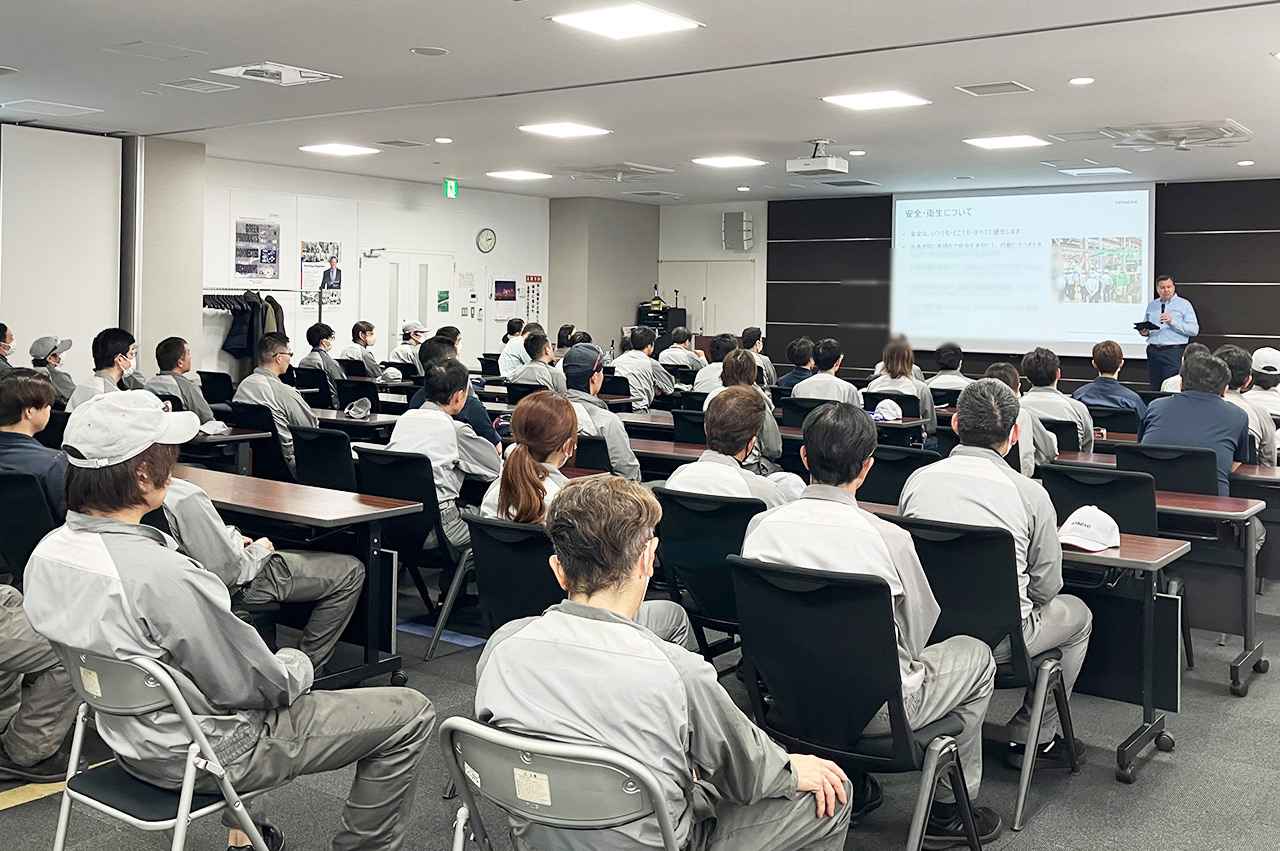
By visiting the site and engaging directly with people, we shared our management perspectives and our commitment to safety.
So, I encourage everyone – from leadership to engineers to support teams – to make time to step out of their offices and take a walk through production. See the work, talk to people, and look for the small ways to improve. By respecting our people and continuously improving our operations, we’ll be more innovative and drive lasting success together – and hopefully enjoy the process along the way.
References

John Randall
President & CEO, Hitachi Industrial Equipment Systems
John formerly served as President & CEO of Hitachi Global Air Power (formerly Sullair) for four years. Prior to that, he was President of Sullair Asia for more than two years, and Vice President of Global Engineering for Sullair for more than six years.