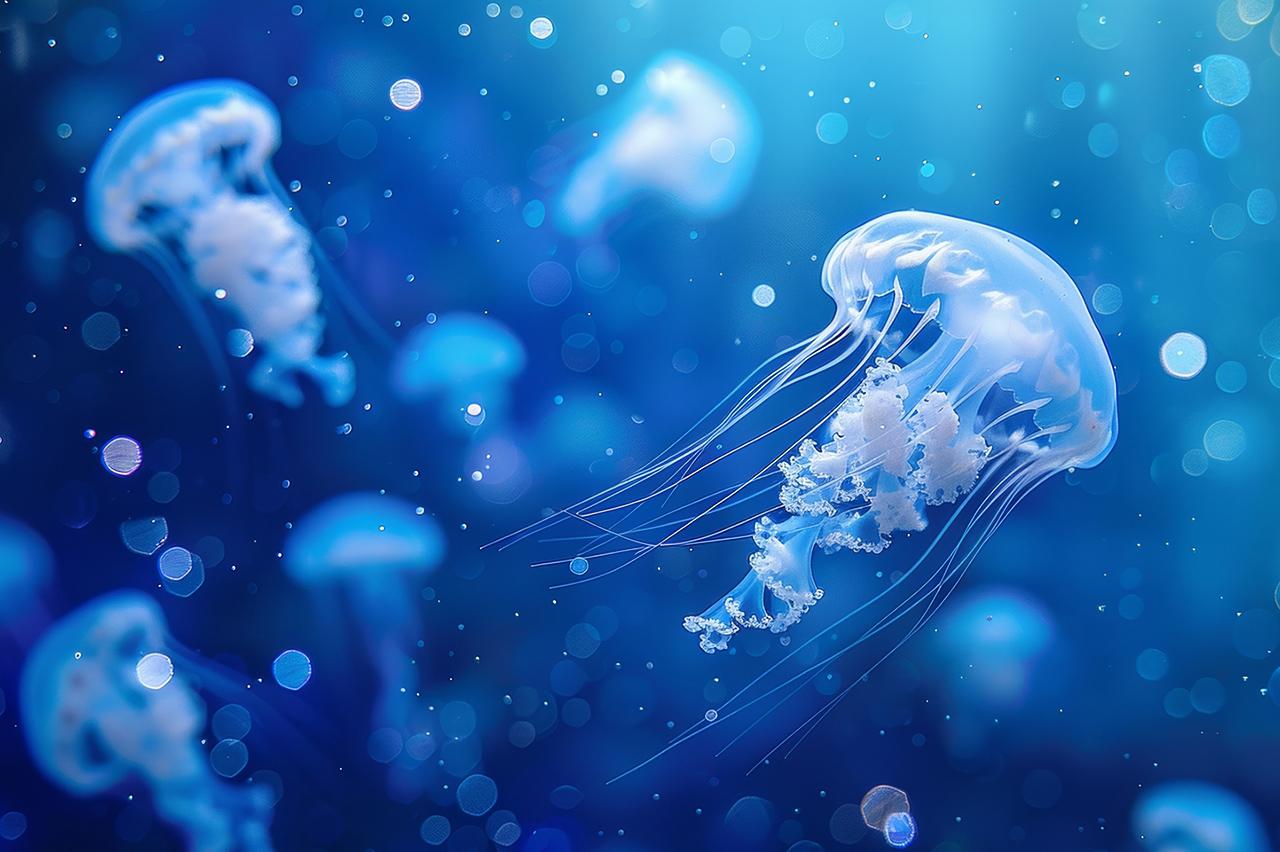
Nature’s Unexpected Disruption
In some cases, the volume of biological material removed during routine maintenance is far greater than most people would imagine.
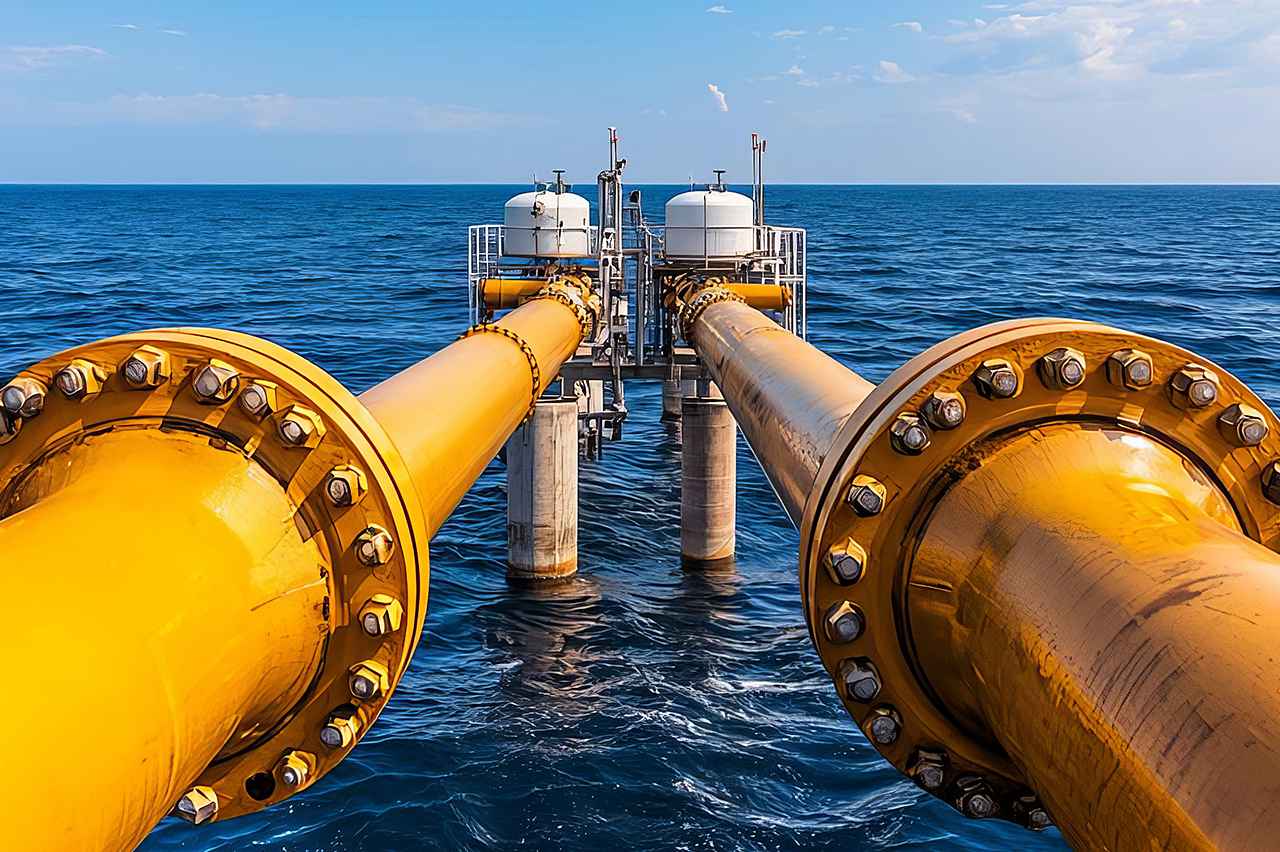
Japan’s coastal power plants, thermal and nuclear alike, depend on a continuous flow of seawater drawn from the coast to keep their systems operating safely. Along with that water comes everything the sea carries: barnacles, seaweed, and at times, jellyfish.
Behind the sudden moments that capture attention lies a quieter, ongoing reality.
During scheduled maintenance outages, operators routinely conduct cleaning and removal of biological material accumulated in intake channels and cooling water systems. According to industry research, in some cases a single power-generating unit may require the removal of up to 1,500 tons of marine organisms annually. This figure includes a wide range of biological matter — such as barnacles and other attached organisms — along with seasonally drifting species like jellyfish, illustrating the scale of the burden placed on cooling water operations.
Barnacles represent a familiar, long-term challenge. They accumulate gradually and are addressed during planned maintenance—labor-intensive, but predictable.
Jellyfish, however, behave very differently.
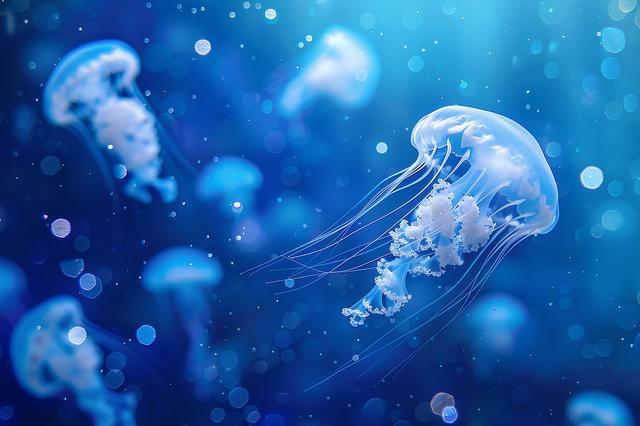
They do not arrive on a timetable. A sudden change in ocean conditions can send thousands drifting toward intake screens at once. Their soft bodies compress and deform, clogging systems within hours and forcing operators to respond immediately.
In these moments, there is little room for hesitation. Operators may need to adjust pumping rates or reduce output to protect equipment and maintain safe operation. Managing biological risks at seawater intakes may be unglamorous, but in a country that depends on stable power, it has become an essential part of keeping the lights on.
In Japan, nuclear regulators recognize “biological events” — including jellyfish and marine algae — as operational risks for seawater intake systems, and assess how facilities address these risks as part of their safety reviews.
Similar biological risks are also being examined at coastal power facilities in other regions, as operators worldwide reassess how environmental change is reshaping the assumptions built into critical infrastructure.
A Gentle Answer Beneath the Waves
When jellyfish blooms block seawater intakes, the first instinct is often to stop or remove them. In practice, that approach is difficult, expensive, and environmentally problematic at scale. Operators are left looking for a solution that protects equipment without creating a new set of risks in the process.
That’s where bubble curtains have proven useful. The concept is not new. It was first developed in the 1940s by Dutch engineer Johan van Veer to control saltwater intrusion in canals. What has changed is how the technology is now being applied.
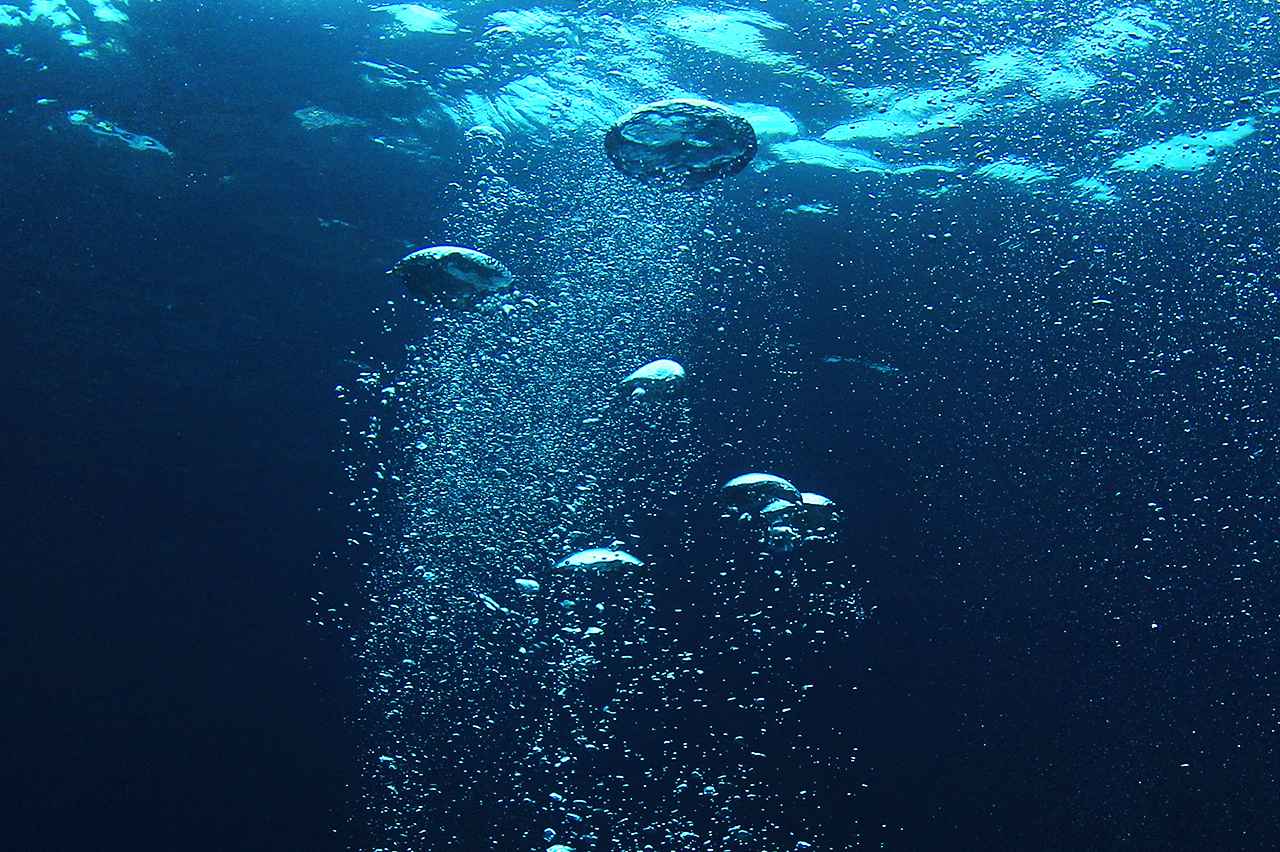
A bubble curtain uses a perforated pipe laid along the seabed to release a continuous stream of compressed air. As the bubbles rise, they create a vertical barrier in the water column. Jellyfish, which move passively with currents, tend to avoid crossing that barrier and are guided away from seawater intakes before they become an operational problem.
Bubble curtains are already widely used for noise mitigation and oil containment. Their use for biological risk management applies the same proven technology to a different problem, with minimal environmental impact. Rather than stopping nature, they work with it—reshaping flow instead of resisting it.
Clean Air, Clean Oceans
And behind these bubble curtains are oil-free air compressors. Introducing contaminants into coastal waters — especially through systems designed to protect the environment — would defeat the purpose entirely. Oil-free compressed air is not simply a technical requirement; it is a prerequisite for working responsibly in sensitive marine ecosystems.
The challenge lies in scale and consistency.
Compressed air systems must deliver contaminant-free flow continuously, often in harsh offshore conditions where maintenance windows are limited and reliability is critical. In marine applications, even a single lubrication failure can introduce hydrocarbons into the water—undermining the very systems meant to protect it.
Oil-free compression addresses this risk by design. By eliminating contamination at the source, it also reduces operational complexity: fewer consumables, less maintenance burden, and greater reliability in remote installations.
In applications like bubble curtains, compressed air does not overpower nature. It enables a gentle intervention—one that reshapes flow rather than resists it. The equipment behind that intervention must reflect the same principle: effective, unobtrusive, and aligned with the ecosystems it serves.
From offshore wind farms to coastal infrastructure, oil-free air compression plays a quiet supporting role—powering solutions that help industry adapt to a changing natural world without forcing it to bend.
For more insights into how bubble curtains and compressed air technology can support your environmental objectives, explore the following articles:

Marie Kerrelle
Channel, Aftermarket & Marketing Manager (EMEA & CIS)
Hitachi Global Air Power